Do you hate the mess, smell, and work involved with using traditional wood stain? Find out the secret ingredient for easily adding an aged and rustic look to your unfinished wood.
CREATE | Updated September 9, 2025

CREATE | Updated September 9, 2025
Staining wood has never been my favorite part of any DIY projects.
Give me a simple board and I can manage, but when it comes to detailed pieces with edges, joints, and corners, traditional stain and I just don’t get along. Usually, I skip the process altogether and simply enhance raw wood with hemp oil or a protective finish.
But what if you want that warm, rustic, aged look—without the mess, smell, or expense of regular stain?
That’s exactly what I discovered when experimenting with a surprising ingredient you already have in your pantry: instant coffee. This easy technique creates a realistic, old-world patina on wood with just a few supplies and almost no cost.
READ NEXT: For larger pieces, consider antiquing wax like I did on the bowl in this post to give the wood an old, aged finish.
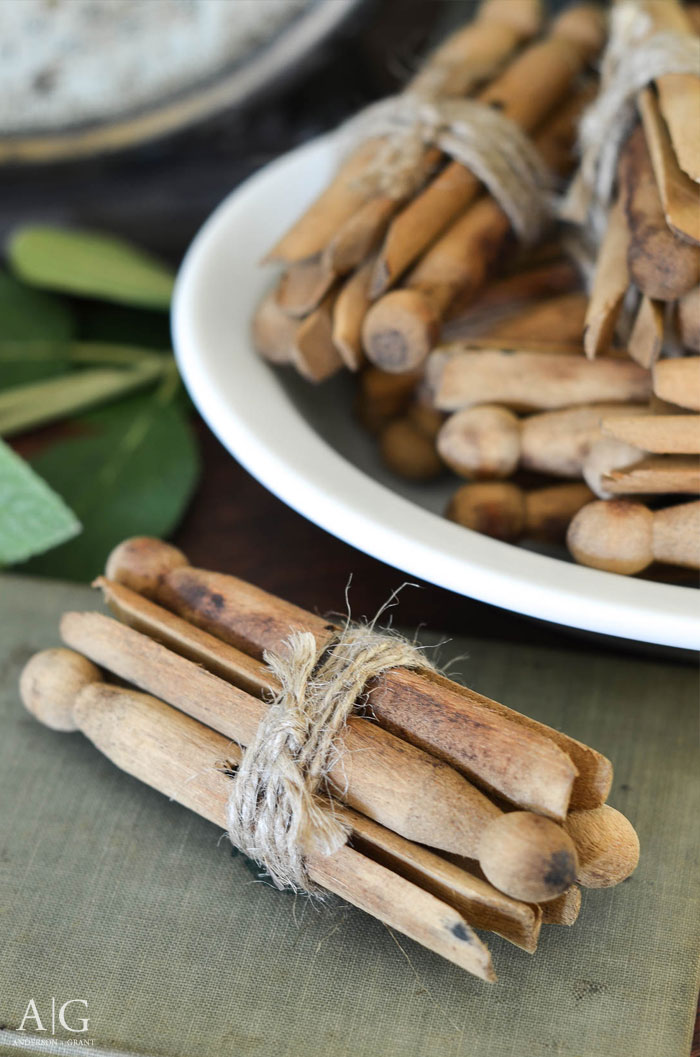
Why Choose a Rustic Wood Stain Alternative?
Most commercial stains can be pricey, time-consuming, and messy to apply. They also have a toxic chemical smell that can linger. Coffee staining, on the other hand:
- Uses everyday ingredients you likely already own.
- Is inexpensive compared to waxes and commercial stains.
- Works beautifully on small, detailed, or intricate items where traditional stain is frustrating.
- Creates natural variation and “age spots” that mimic the authentic patina of old wood.
Whether you want to give new wood a rustic farmhouse finish or age a thrift store find, this method is both simple and effective.
Supplies You'll Need
If you would like to try staining your next wood project with this nontoxic instant coffee stain, here's what you'll want to have on hand:
- Instant coffee granules - No need to buy the pricey stuff. Head to the dollar store for a budget friendly stain.
- Boiling water
- Container, bowl, or pan large enough to submerge your piece
- Waxed paper or parchment paper
- Gloves: To keep your hands stain-free

Step-By-Step: How to Stain Wood with Instant Coffee
STEP 1: Mix the Coffee Stain
Boil enough water to nearly cover the piece of wood you’re working with. Stir in instant coffee granules until dissolved. The more coffee you add, the darker your stain will be. If it looks too dark, add a little more water.
STEP 2: Submerge the Wood
Place your wood piece into the coffee mixture. Use a spoon to pour some of the coffee over the top of the piece not covered by the liquid.

STEP 3: Add Natural Age Spots
For an authentic rustic look, sprinkle dry coffee granules directly onto the exposed parts of the wood. As they sit and clump together, they’ll create darker “age spots” that make the piece look naturally weathered.
STEP 4: Soak and Check the Color
Let the wood soak for several hours, or even overnight, until the color reaches your desired shade. Some types of wood may absorb color more slowly, so you may need to repeat the process.
Swish the liquid around over the clumps of coffee you sprinkled to dissolve what is left. YOu may need to repeat this process a few times to put age spots over the entire piece.

STEP 5: Rinse and Dry
When happy with your shade, remove the piece and lay it on waxed paper to dry. Once dry, you'll be left with a beautifully aged, primitive-looking rustic finish.
Tips for Best Results
- Use gloves if you want to avoid staining your hands.
- Experiment with strength. Start light as you can always repeat the process for a deeper color.
- Perfect for small projects. This method works especially well on small or detailed items like clothespins, candlesticks, or decorative bowls that are difficult to stain evenly.
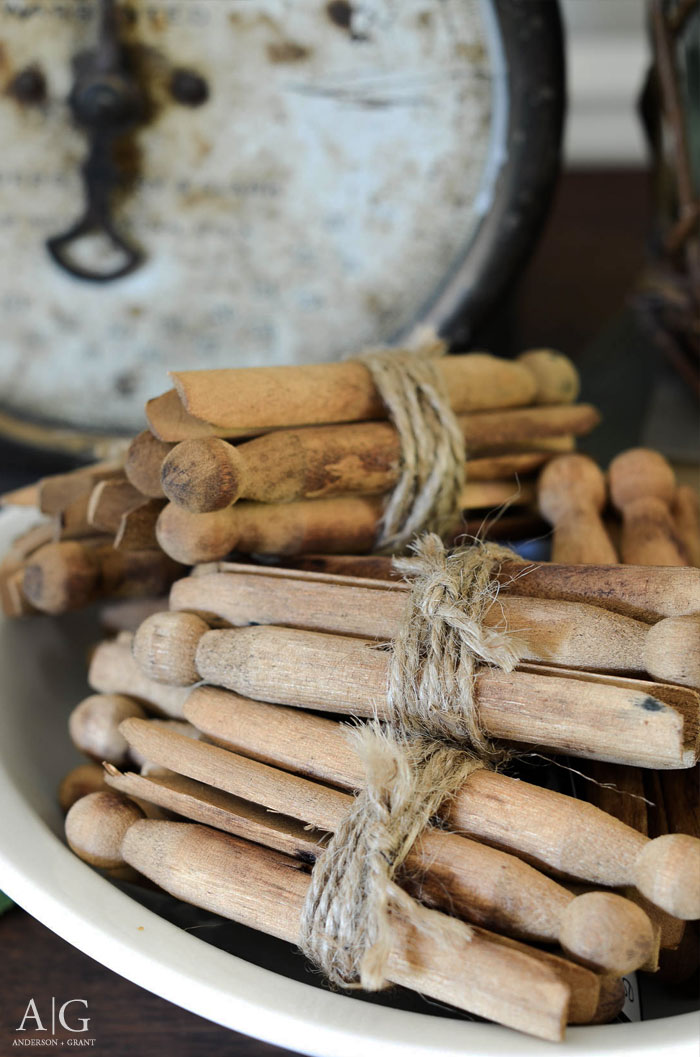
Instead of reaching for a can of commercial stain, try instant coffee the next time you want to create a rustic finish.
It’s simple, natural, and gives your project the kind of aged patina that usually takes years to develop.
This technique is still a little messy and your hands will get coffee stained if you aren't wearing gloves. But it is still so much easier and doesn't smell bad like conventional stain does. And for a project like aging these clothespins, adding them into the coffee ensures that every part, including the inside portion of the clothespin, is completely covered without any trouble.
